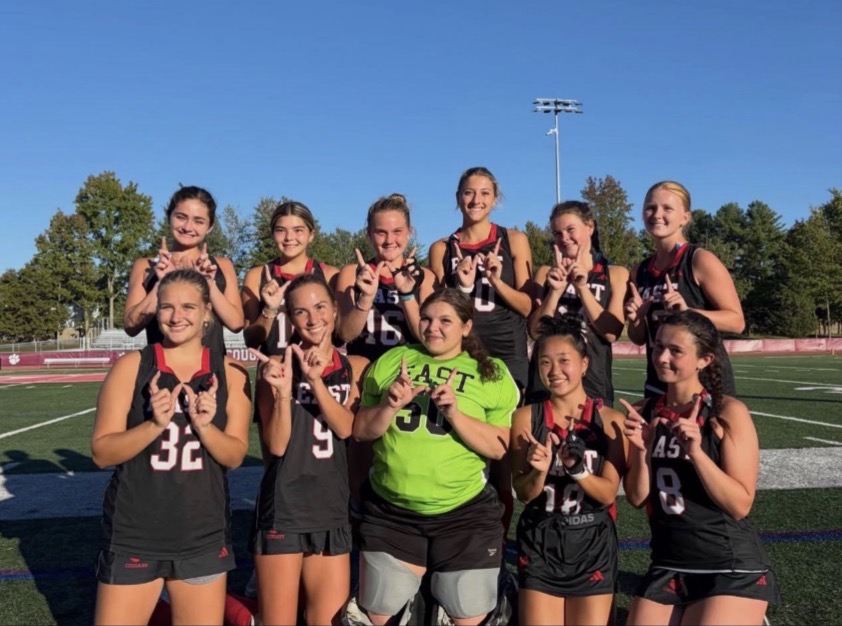
Cherry Hill East’s student newspaper is urging the school board to broaden participation and allow more time at future technology-policy forums.
The Eastside Editorial Board argued that teachers should receive direct invitations and that the one-hour Oct. 15 discussion was too short for three major topics. The editorial said staff were allowed to attend; its criticism concerned outreach and representation. It also proposed longer sessions and additional ways to submit feedback.
That is the newspaper’s editorial assessment, rather than a board finding or a change in district policy. The editorial does not include a district response to those specific criticisms.
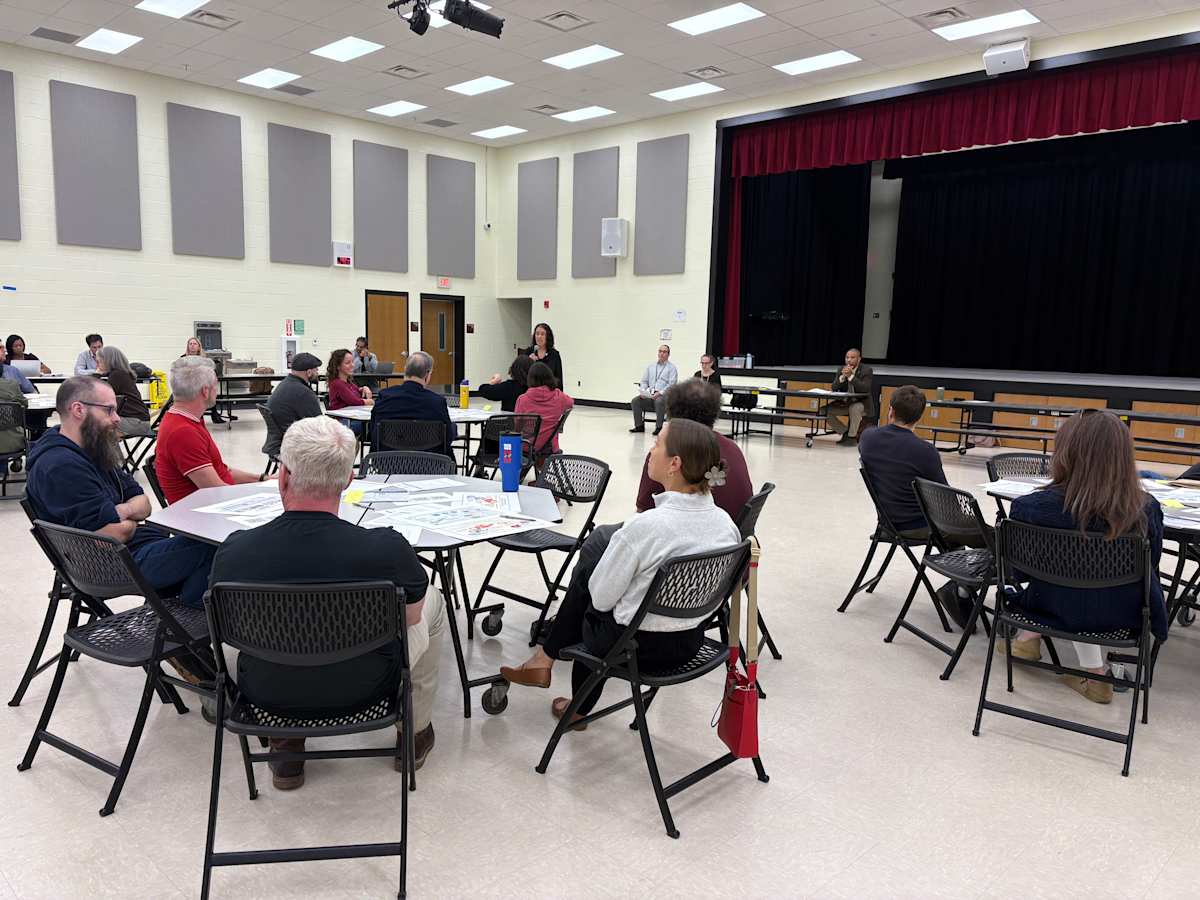
The district’s own forum recap confirms that the event covered artificial intelligence, screen time and student use of internet-enabled devices. It thanks students, staff, parents and other community members, and publishes photographs from the discussion.
The page also provides separate roundtable summaries for all three subjects. Alongside those summaries, it links the district’s AI implementation plan, screen-time guidelines and Policy 5516 governing student use of internet-enabled devices.
The online materials are available to residents who could not attend the in-person discussion.
Those materials give families a way to read the discussion record and the underlying district documents separately. A participant’s suggestion at a roundtable should not be read as an adopted rule merely because it appears in a discussion summary.
In Eastside’s original Oct. 16 news report, Elias Kang described roundtables at Rosa Middle School, followed by reports to board members. Superintendent Kwame Morton said the district planned at least three opportunities for community engagement. That statement preceded the later editorial and was not a response to it.
Community engagement also appears in the district’s 2025–26 year-end goals update. The report describes community forums as opportunities for two-way dialogue and says follow-up communication occurred through district channels.
The same report describes student advisory councils at both high schools and collaboration between staff and building leadership. Those are existing participation structures; the report does not establish whether every group was directly invited to the October technology session.
The district’s explanation of board responsibilities says the board sets policy, establishes goals and adopts budgets, while the superintendent directs daily operations. It says decisions draw on input from administrators, staff, students, parents and community members.
For families following the technology debate, the district’s forum page is the direct starting point for the published discussion materials and policy links. The newspaper’s recommendations remain proposals for how future conversations could be organized.