Cherry Hill’s school board is reviewing discipline disparities alongside a broader decline in out-of-school suspensions, with further data updates planned.
Michelle Mangiamele of South Jersey Media first reported that nearly 83% of students had no discipline referrals in 2025–26. Officials nevertheless identified disproportionate referrals affecting Black and Latino students, students with disabilities and economically disadvantaged students. Superintendent Kwame Morton called for fairer outcomes and quarterly updates.
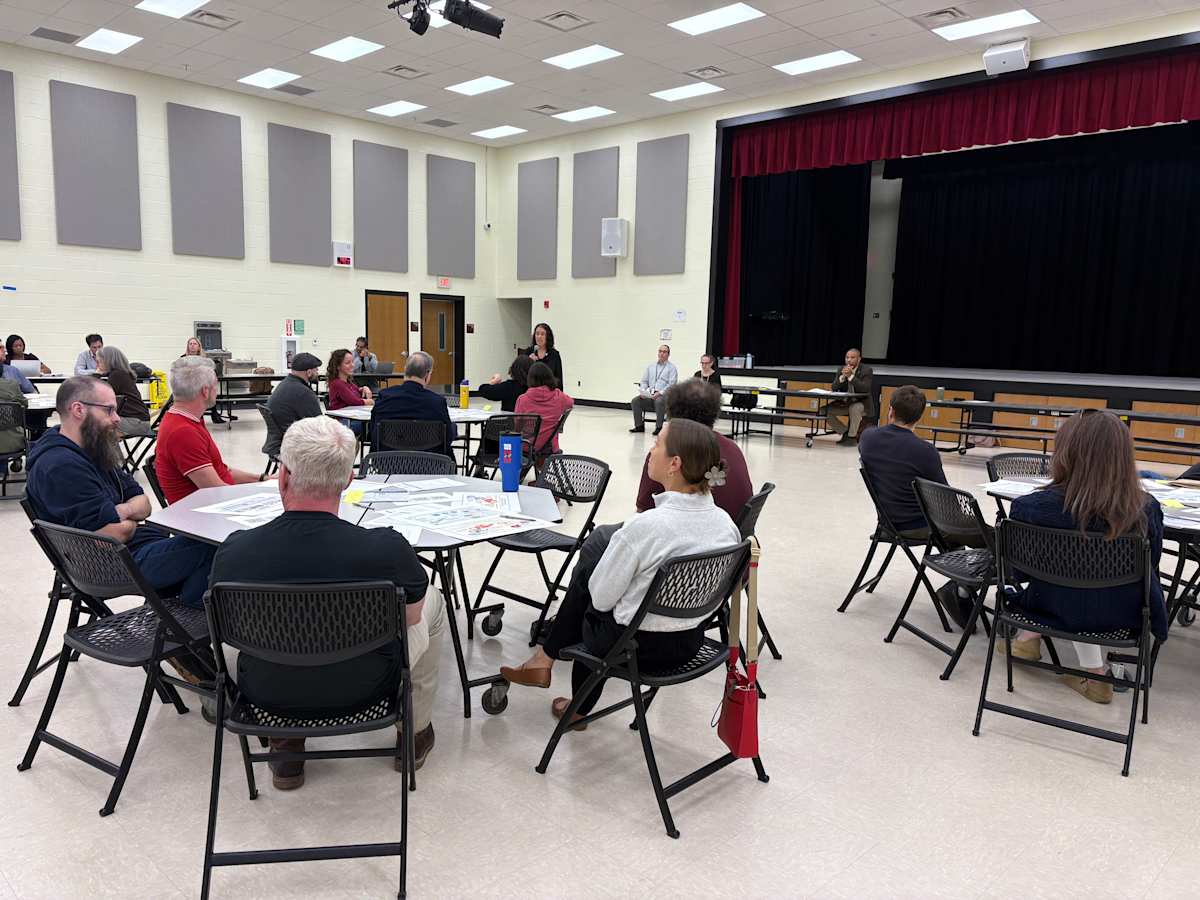
The board’s Oct. 27 meeting record identifies a district discipline update presented by George Guy and Caroline Steer. The district also posts the presentation in its October board-materials archive.
A districtwide figure for students without referrals does not describe every group’s experience. Referrals, suspensions and days out of school are different measures; an overall decline in suspensions does not, by itself, resolve disparities in who receives disciplinary consequences.
The review comes within an existing framework for student support. In its 2025–26 year-end goals report, the district describes work on Multi-Tiered Systems of Support and New Jersey Tiered Systems of Supports.
According to that report, universal screening assessments were identified and implemented to help recognize student needs early. It also says staff received districtwide training and that classroom practices and interventions were evaluated.
The report describes tracking student growth and reviewing support programs, along with professional development on learning differences. It lists family engagement with the Special Education Parent Advisory Group among the year’s activities.
Those are the district’s descriptions of its support work. They do not establish that the interventions have eliminated the discipline gaps discussed in October. Continued reporting can show whether outcomes change after additional support is provided.
Families seeking the rules that apply to their children can consult the district’s Student Code of Conduct page. It provides separate elementary, middle-school and high-school documents, rather than a single guide for every grade.
The distinction is useful when discussing an individual incident: the relevant school-level code and the circumstances of that incident matter, while districtwide data address broader patterns.
The district’s board-information page says school-level concerns are best raised with the building principal first. Matters that remain unresolved may be referred to an assistant superintendent or the superintendent.
Board members serve voluntarily without compensation, according to the district’s explanation of the board’s role.
The board sets policy and goals, while administrators direct daily school operations. Quarterly discipline updates, as described in the meeting coverage, would allow the board and public to revisit the reported disparities rather than rely on a single annual snapshot.