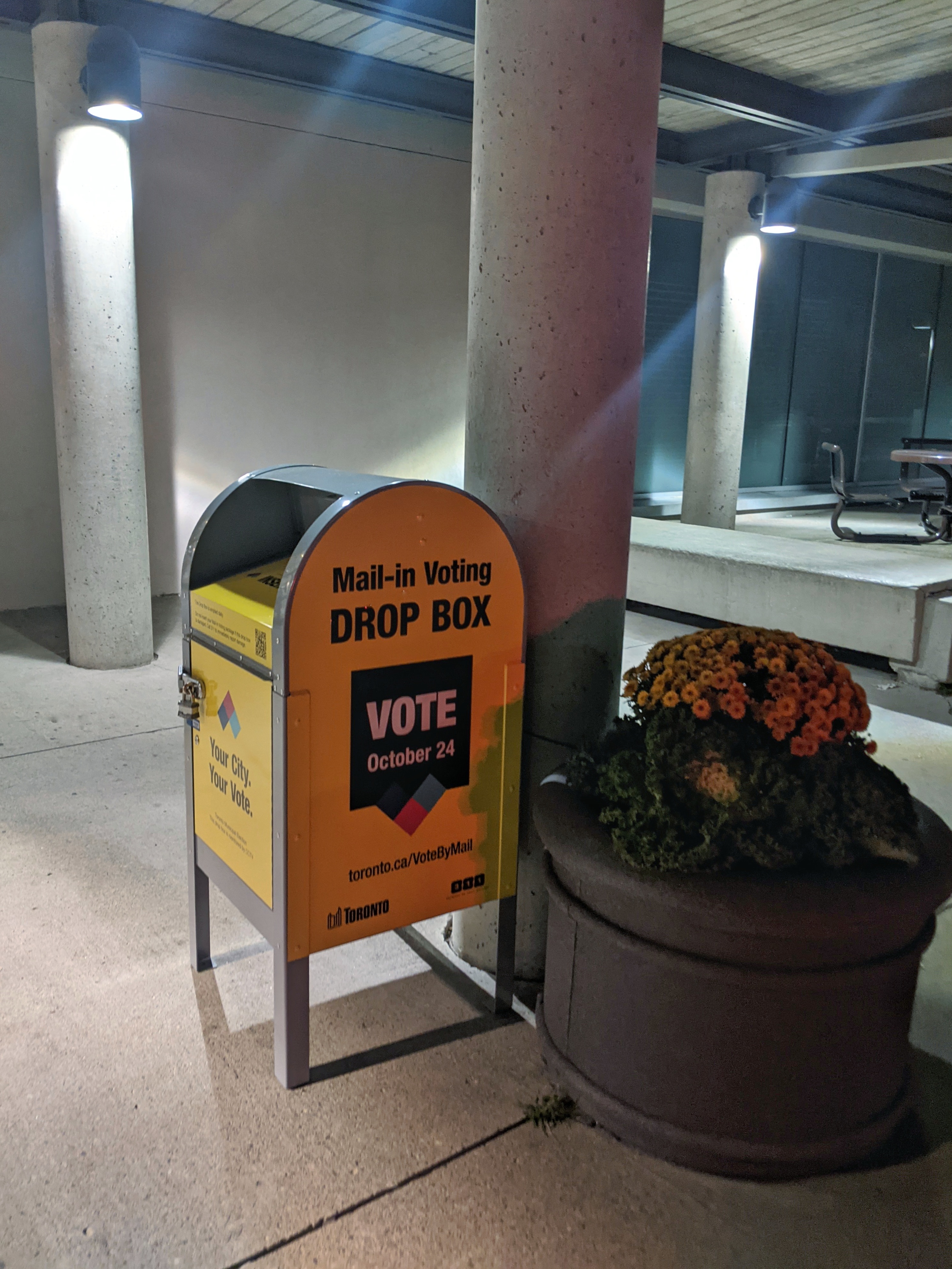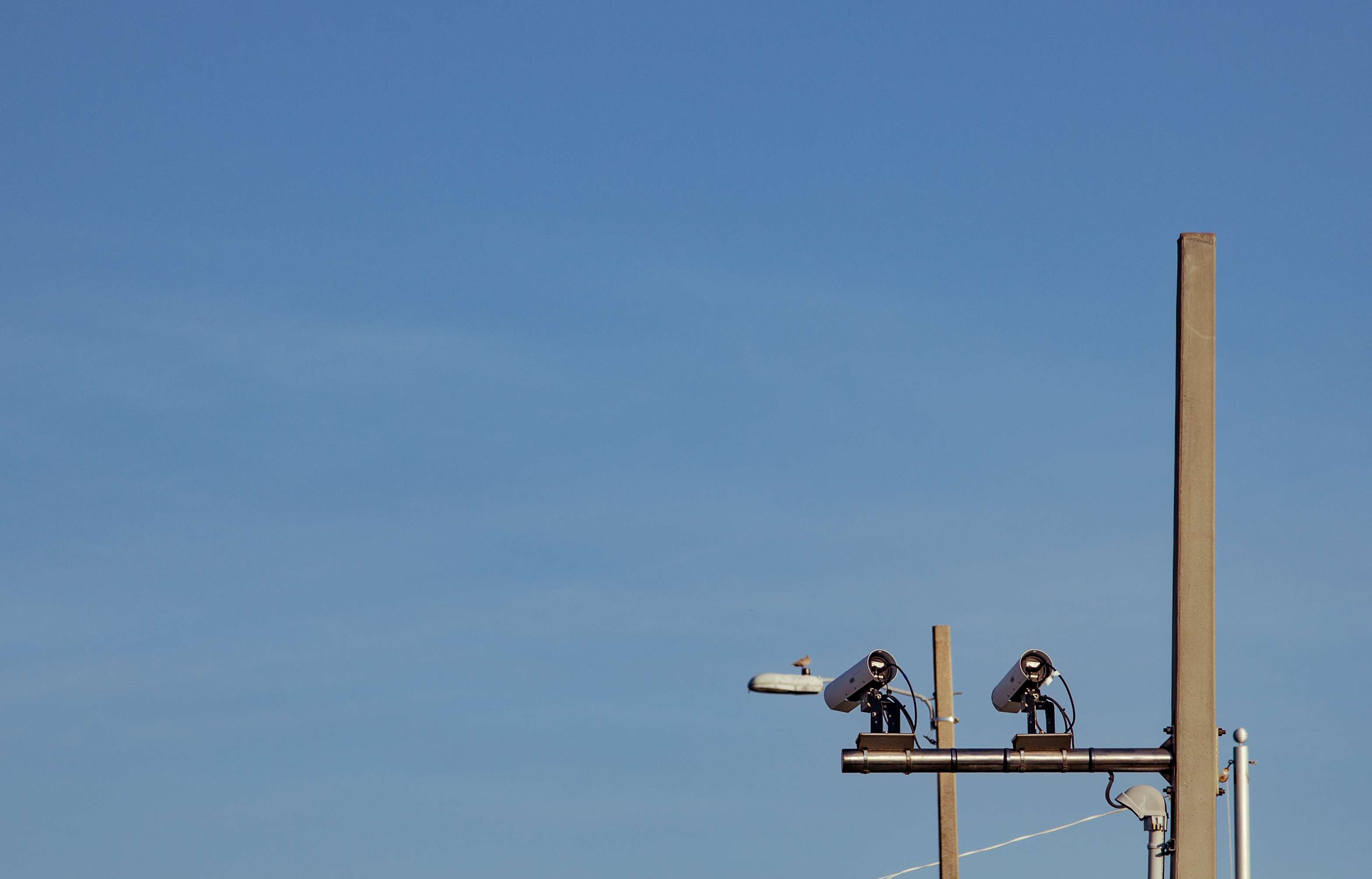
Drivers on Cherry Hill roads are now having their license plates scanned by mobile camera trailers under an updated police surveillance policy that took effect July 30.
The Cherry Hill Police Department's revised General Order 12-04, a 22-page directive governing Automated License Plate Recognition (ALPR) technology, is the department's first update to the policy since April 11, 2023. Police Chief John Ostermueller issued the order, prompted largely by New Jersey's Privacy Protection Act, a new state law Gov. Mikie Sherrill signed March 25, 2026, that tightens how government agencies collect and share plate-reader data.
The department said on its website that it "is committed to using technology responsibly to improve public safety while protecting the privacy of our community."
What's new
The biggest change residents will notice: mobile surveillance camera trailers equipped with ALPR can now be deployed throughout the township for crime prevention and at public events such as National Night Out, July 4th fireworks and Harvestfest. Trailers are placed only where the chief of police or a designated supervisor identifies a specific law-enforcement or public-safety need.
The department highlighted two limits on its public information page: the mobile trailers do not use facial recognition technology, and they will not issue speeding tickets or other automated traffic citations.
What the cameras capture
ALPR cameras use optical character recognition to read license plates on vehicles visible from public roads or publicly accessible areas, such as shopping mall parking lots. Each scan logs the plate number, date, time and location, then checks it against law-enforcement databases.
Data is retained for three years under NJ Attorney General Directive 2022-12, down from the previous five-year window. Information tied to an active investigation can be kept longer as part of the case file.
Who sees the data
Access is limited to "authorized users" — sworn officers or civilian employees who have completed state-mandated ALPR training and been designated by the department's ALPR coordinator, currently the Technology Unit detective. Cherry Hill also participates in NJ SNAP, the state's networked plate-reader program, which lets authorized users at other New Jersey agencies query the data under the same restrictions.
Stored ALPR data is classified as a criminal investigatory record under state law, meaning it is not a public record; disclosure to private parties generally requires a judicial order or warrant. The policy also bars using plate-reader data for civil immigration enforcement, per the state Attorney General's Immigrant Trust Directive.
Why the update happened
The new state privacy law was the main driver. New Jersey's Privacy Protection Act restricts how government agencies collect, share and sell personal data, including ALPR records — a significant tightening of the rules Cherry Hill police now have to follow.
The timing also lines up with a broader township push on police technology: at the March 9, 2026, Township Council meeting, Mayor Dave Fleisher previewed a five-year investment in police technology expected to roll out over the summer. It's not confirmed whether that reference specifically included the ALPR expansion or referred to a broader package that also includes drones.
Residents with questions can call the Cherry Hill Police Department at 856-488-7828. The full General Order is posted at chnj.gov.