Chronically absent students in Cherry Hill are twice as likely to fail a course as their peers, according to district data presented to the Board of Education in September.
Scott Goldthorp, the district's director of special projects and student services, told board members that about 1,500 students have been absent for 10% or more of school days across the 2023-24 through 2025-26 school years. That's out of 10,910 students enrolled districtwide.
The data, first reported by the Philadelphia Inquirer, showed 44% of chronically absent middle and high school students had at least one failing course in 2025-26. Among students who were not chronically absent, that figure was 21%.
Discipline numbers followed a similar pattern. About 33% of chronically absent students were involved in a disciplinary event in 2025-26, compared with 19% of their peers.
Cherry Hill's overall chronic absenteeism rate in 2024-25 was 14%, just below the New Jersey state average of 14.4%, according to the New Jersey Department of Education's School Performance Reports. But certain grades stood out. High school seniors had a 25.8% chronic absenteeism rate, well above the state average of 21% for 12th graders. Pre-K students came in at 23.5%, though that was below the statewide pre-K average of 29.9%.
Rates for sixth, seventh and eighth graders also exceeded state averages, according to state data.
Where schools stand
Nine schools lowered their chronic absenteeism rates between 2023-24 and 2025-26: Knight, Harte, Mann, Johnson, Sharp, Kingston and Woodcrest elementary schools, along with Beck and Carusi middle schools.
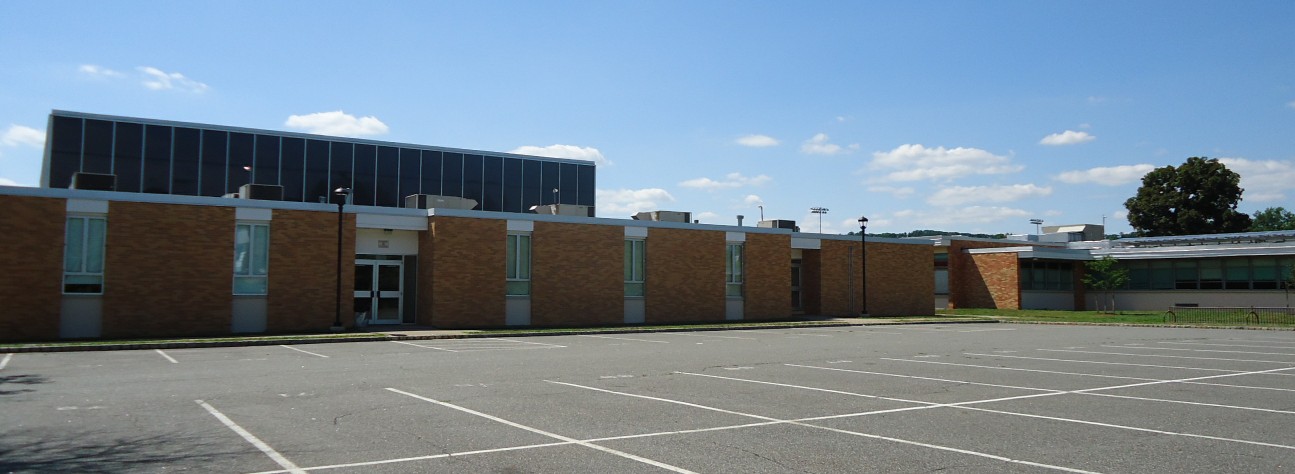
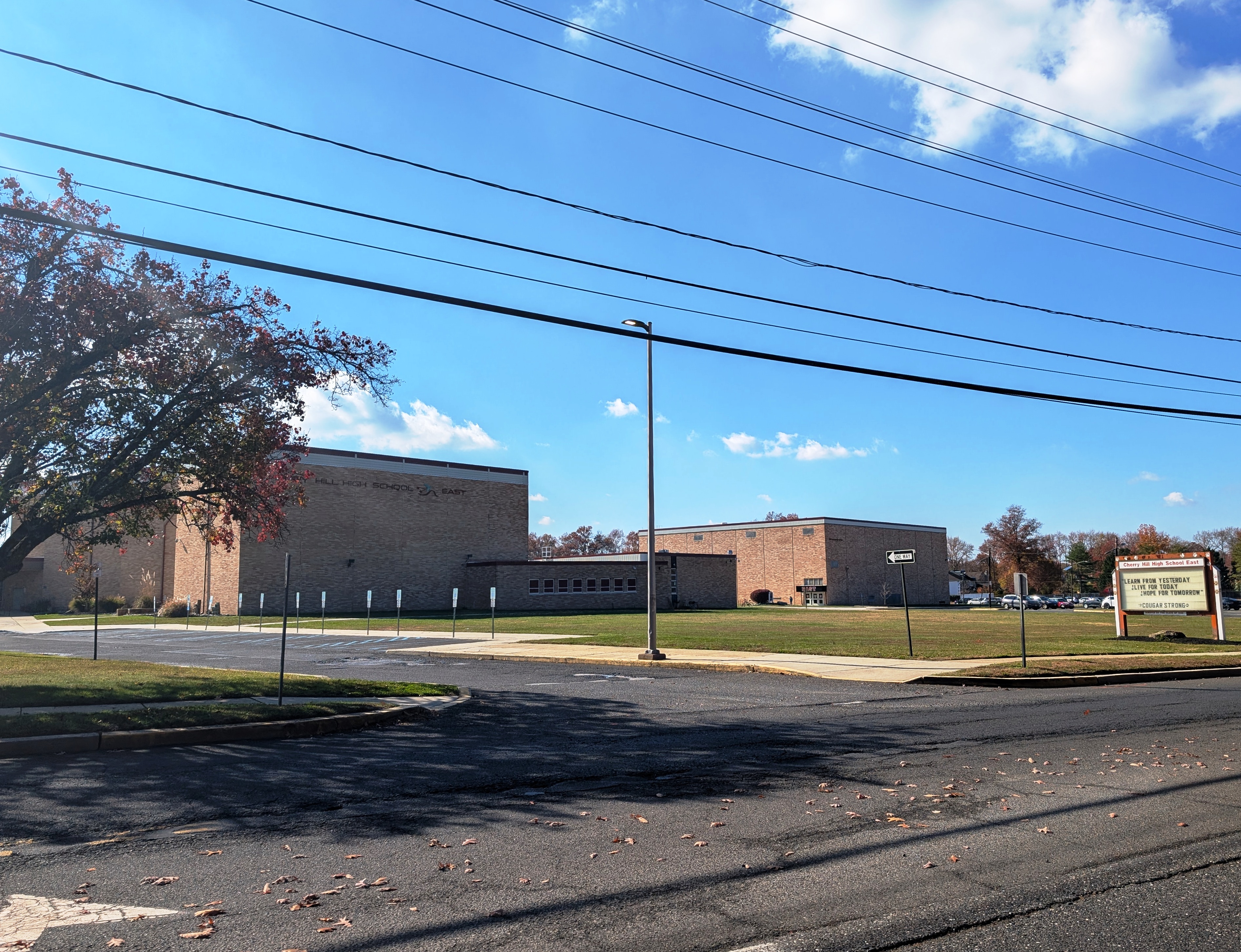
Six schools saw rates climb: Cooper, Kilmer and Paine elementary schools, Rosa International Middle School, and both Cherry Hill High School East and Cherry Hill High School West. Barton and Stockton elementary schools held relatively steady.
At one elementary school that improved, the principal worked with district leaders to reengage chronically absent students and their families, using tangible weekly rewards to keep students motivated, according to the presentation.
District's response
No single fix exists, Goldthorp said.
"Sometimes attendance is an academic issue, sometimes it's a family issue, sometimes it's a health or transportation issue, and sometimes it's about a student's connection to school," he told board members at the September meeting. "Our response, then, has to be both systematic and individualized."
Factors cited in the presentation included health, transportation, family circumstances, academic challenges, student engagement and life transitions. The district said it plans to study schools that cut their rates and replicate those strategies elsewhere.
One complication: New Jersey's definition of excused absences is narrow. Illnesses and doctor's appointments do not count as excused under state rules. Religious observances, college visits and Take Our Children to Work Day do.
Community member Sara Joslin raised the issue at the board's July 14 work session, suggesting the district add a formal goal around chronic absenteeism, according to board minutes.
The district has not announced a specific timeline for rolling out its intervention strategies.