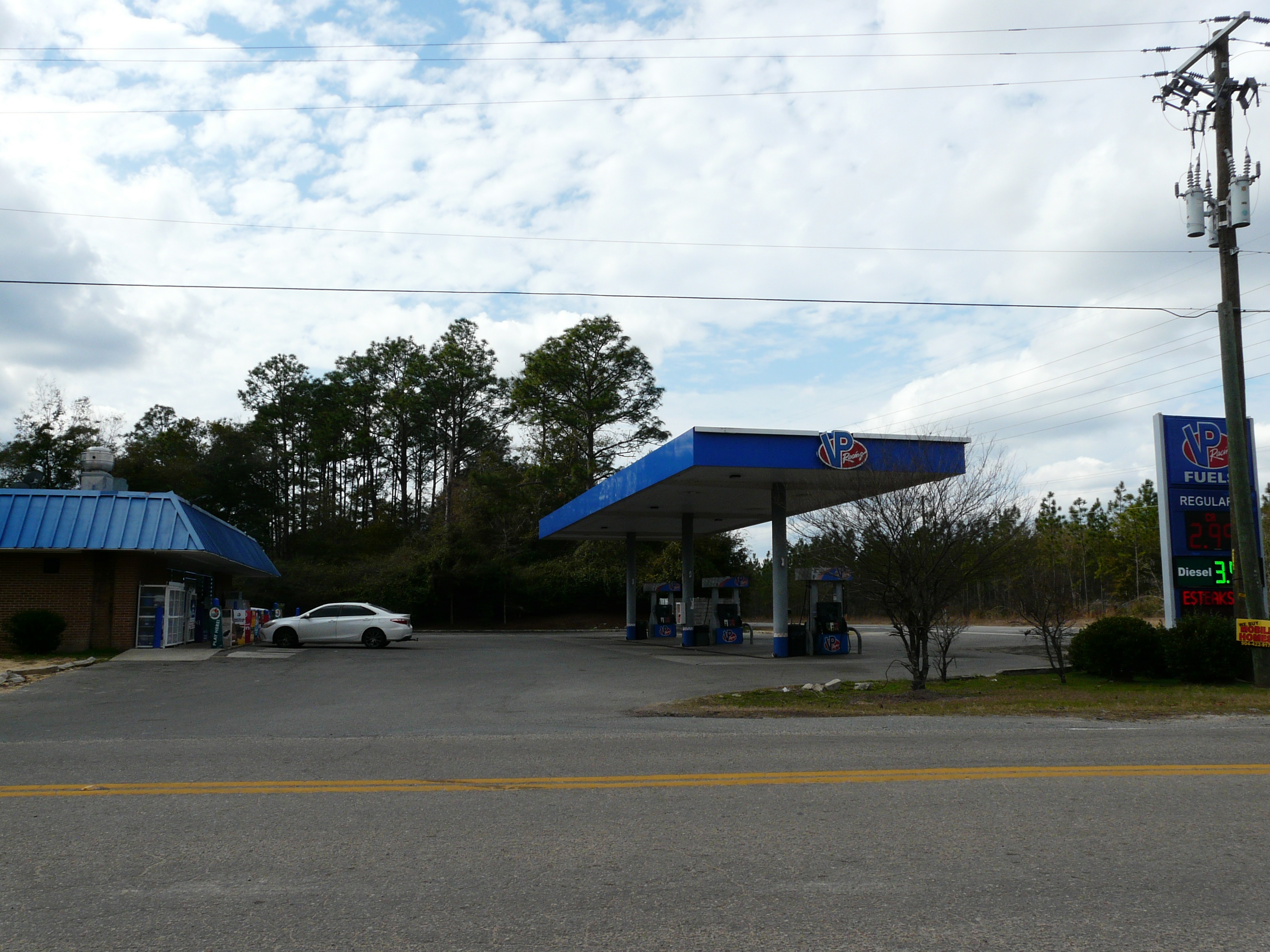
South Jersey drivers are paying $4.39 a gallon for regular gasoline, up $1.23 from a year ago, 6abc Philadelphia reported Saturday, Sept. 12.
The jump hits Cherry Hill commuters and Route 70 and Route 38 corridor businesses hard. The car-dependent region funnels shoppers, workers and delivery trucks through both highways daily.
Diesel, the fuel that powers delivery trucks supplying those stores and restaurants, reached a record $6.16 a gallon nationwide on Saturday, Sept. 12. That price climbed roughly 30 cents in one week alone, according to 6abc. A year ago, diesel cost $3.70 a gallon.
Fuel accounts for roughly 15% to 30% of the total cost of food, according to the Independent Grocers Alliance, as reported by the Associated Press. Amazon has added a temporary 3.5% fuel and logistics surcharge on some third-party sellers. UPS, FedEx and the U.S. Postal Service have tacked on fees for some packages, the AP reported.
AAA spokesperson Jana Tidwell told WGMD on Thursday, Sept. 10 that crude oil had climbed back above $100 a barrel because of continued fighting near the Strait of Hormuz, a chokepoint for about 20% of the world's petroleum.
"Drivers are seeing prices jumping double digits in the past week," Tidwell said.
Prices are rising during a season when they usually fall. Before the U.S. and Israel launched their war against Iran in late February, the national average for diesel was about $3.76, according to AAA data cited by the AP.
New Jersey's statewide average stood at $4.36 on Thursday, Sept. 10, up 12 cents in one week and $1.19 over the same time last year, according to AAA data reported by ROI-NJ. Bergen County had the state's cheapest gas at $4.32. Cape May County was the most expensive at $4.50.
The broader Philadelphia metro area averaged $4.53 a gallon on Saturday, Sept. 12, according to 6abc.
A 3.9% jump in gasoline prices in August accounted for more than a third of the monthly increase in the Consumer Price Index (CPI), Reuters reported Friday, Sept. 11, citing the Bureau of Labor Statistics.
President Donald Trump said Wednesday, Sept. 9 that oil prices likely will not fall until after the November midterm elections. He told reporters that prices would eventually drop but acknowledged "it's going to take a little bit longer than the midterm," according to the Associated Press. The U.S. has drawn down more than 100 million barrels from its strategic petroleum reserves since the start of 2026, the AP reported.
One possible source of relief: gas stations and refineries begin switching to winter-blend gasoline in mid-September, a fuel that is cheaper to produce. Tidwell told CBS Philadelphia on Monday, Sept. 7 that the switch could trim pump prices by a couple of cents per gallon.